Egg Donation with Fresh Eggs

When Science Makes the Difference

Egg donation is today one of the most effective solutions in assisted reproduction. However, not all donor egg programs are the same. In clinical practice, there is a significant difference between using eggs from an egg bank (frozen eggs) and using fresh eggs from carefully selected donors.

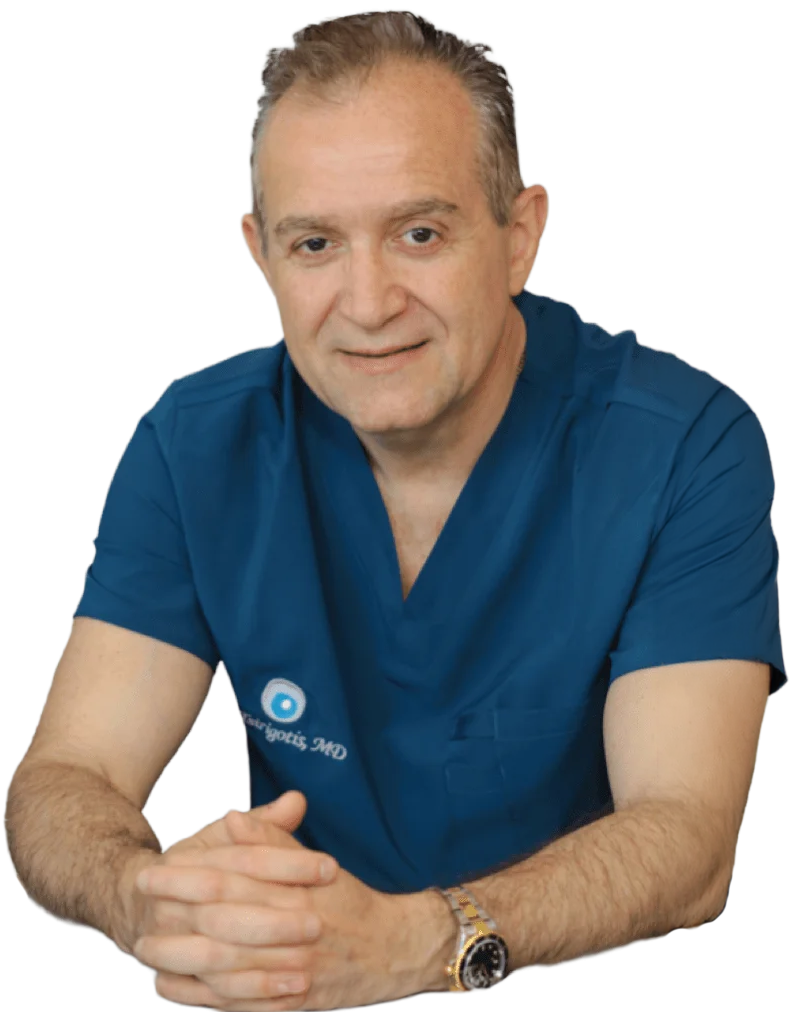
Dr Marinos Tsirigotis supports the second approach on the basis of scientific evidence — because fresh eggs can offer higher success rates, better embryo development potential, and greater predictability of outcomes.

This is not simply a matter of preference.
It is a medical choice with a clear scientific rationale.

What Is Egg Donation?

Egg donation is a process in which a young, healthy woman (the donor) provides her eggs to another woman (the recipient) who is unable to use her own eggs, with the aim of achieving pregnancy through in vitro fertilisation (IVF).

The recipient carries the pregnancy in her own uterus, fully experiencing pregnancy and childbirth, while the success of the treatment depends to a large extent on:

  • the quality of the eggs
  • laboratory management
  • the medical planning of the treatment

This is precisely where the choice of fresh eggs can play a decisive role.

Fresh Eggs or Egg Bank?

The Difference That Matters

This can translate into better embryo quality, higher implantation rates and, ultimately, improved pregnancy outcomes.

Although cryopreservation is an important tool in modern reproductive medicine, it is a specialised process that may potentially affect the egg.

The Fresh Egg Donation Process

Personalised Medical Assessment

Donor Selection & Screening

Egg Retrieval & Fertilisation

Embryo Transfer

Success Rates

1

Personalised Medical Assessment

Dr Tsirigotis evaluates:

  • your medical history
  • previous treatment attempts
  • the condition of the uterus and endometrium

There is no single solution that is right for every prospective mother. Instead, treatment is medically personalised because EVERY WOMAN IS UNIQUE.

2

Donor Selection & Screening

Donors:

  • are young and demonstrably healthy
  • undergo extensive medical, genetic and psychological screening
  • are selected according to strict scientific criteria

3

Egg Retrieval & Fertilisation

The eggs are:

  • retrieved
  • fertilised immediately
  • cultured as embryos in the laboratory under optimal conditions

4

Embryo Transfer

The embryo transfer is performed at the most appropriate time, either during the recipient’s natural cycle, where feasible, or following hormonal preparation of the endometrium, with the aim of achieving the best possible conditions for implantation.

5

Success Rates

Success Rates: What Clinical Experience Shows

With fresh egg donation:

  • pregnancy rates can often exceed 75% per embryo transfer cycle
  • the need for repeated treatment attempts may be reduced
  • outcomes can be more consistent and predictable


“Egg quality determines not only success rates but also the future potential of the embryo. This is why we insist on fresh eggs when our goal is to achieve the best possible outcome.”
— Dr Marinos Tsirigotis

Why Can Fresh Eggs Achieve Higher Success Rates?

Avoiding Cellular Stress

Despite advances in technology, the freezing and thawing process:

  • may affect the microscopic structure of the egg
  • may increase the risk of egg loss before or after fertilisation

Fresh eggs preserve their biological potential without undergoing the freezing and thawing process.

Better Embryo Development

Clinical studies indicate that embryos derived from fresh eggs may:

  • demonstrate more consistent cell division
  • have a greater likelihood of reaching the blastocyst stage

Higher Implantation Rates

Implantation is one of the most important stages of treatment.

With fresh eggs:

  • the likelihood of successful implantation may be higher
  • the need for repeated treatment cycles may be reduced

A More Predictable Outcome

For the woman and the couple, donor egg treatment with fresh eggs can mean:

  • less uncertainty
  • reduced emotional and physical burden
  • a greater sense of control throughout the process

When Is Egg Donation Recommended?

Egg donation — and particularly treatment with fresh donor eggs — may be an appropriate option in cases such as:

premature ovarian insufficiency

age-related depletion of ovarian reserve

genetic conditions that should not be passed on to a child

repeated unsuccessful IVF attempts

surgical removal of the ovaries

poor egg quality despite an adequate number of eggs

In all of these cases, egg quality is a crucial factor that can significantly influence the final outcome.

Dr Tsirigotis’ Philosophy

Science without compromise

Personalised treatment, not one-size-fits-all solutions

Decisions based on evidence, not convenience

Respect for every woman and her individual journey

Free Online Consultation

Your first consultation can be:
Free – Online – Completely Confidential

210 6719393

Free Online Consultation

Your first consultation can be:
Free – Online – Completely Confidential

210 6719393

We will discuss:

  • whether egg donation is the right option for you
  • why fresh eggs may make a difference
  • what your realistic prospects are
  • how to achieve the best possible outcome

Patient Testimonials

“After two unsuccessful attempts with frozen eggs, the fresh egg approach changed everything. Today, I am holding my child in my arms.”

Christina M. – Age 38

“I felt that the doctor did not choose the easiest solution, but the right solution for me.”

Eleni Z. – Age 42

Don’t Put Your Hope on Hold.
Get the right information. Make an informed choice.


Free Online Consultation

Your first consultation can be: 
free  –  Online – Completely Confidential     210 6719393

Free Online Consultation

Your first consultation can be: 
free  –  Online – Completely Confidential     210 6719393